

The new EU Free Trade Agreement with Australia presents opportunities for exporters, especially farmers, as well as lower prices on Euro brand machinery. While many farmers will welcome the opportunities for their export prospects, the Free Trade Agreement (FTA) also presents opportunities when acquiring machinery and equipment. The opportunities? The reduction of duty on machines from European Union manufacturers should mean lower purchase prices.
In announcing the agreement, the Prime Minister, Anthony Albanese said that the FTA would create new opportunities for exporters in the EU’s $30 trillion dollar as well as cost reductions for consumers in Australia.
No doubt many farmers would have been following the progress of this FTA since negotiations were first opened in 2018. The announcement of the agreement was made in late March this year but the date that the FTA will come into effect has not as yet been announced. While there has been some criticism of the FTA by the Farmers Federation on commercial market access, some sectors should be set to realise benefits, especially with asset acquisitions.
What is the EU Free Trade Agreement?
The Australia EU Free Trade Agreement is a trade deal between the two markets to lower or remove many of the duties and tariffs on trade. The Government sees this as lowering barries with investment and with trade.
The Federal Minister for Trade and Tourism, Don Farrell, said removing these tariffs on most Australian exports provides exporters with opportunities to diversify into EU countries. This market represents 450 million consumers.
On the import side of the FTA, tariffs on approximately 98% of goods coming into Australia from European Union countries will now be duty free. Currently there is around a 5% duty applied to these imports.
EU Free Trade Agreement and Machinery Prices
When implemented, the new FTA should see prices on machinery, equipment, trucks and vehicles from EU manufacturers reduced. The current 5% import duty, which would have been paid by the Australian representative removed. This should flow through to lower prices for buyers.
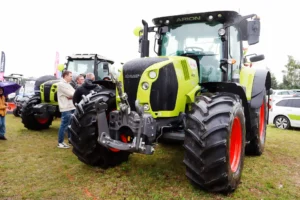
Some of the big European brands in the agricultural sector include Deutz-Fahr, Claas, and Liebherr. Many other manufacturers of equipment used in construction and earthmoving will also be subject to this tariff removal.
With the purchase price on some of these new units, any price reduction may represent a significant savings for businesses. A savings which may mean upgrading machinery with new units to improve productivity, increase output and take advantage of the latest efficiency technologies is a realistic prospect.
If your operation can take advantage of new market opportunities, there may be an advantage on the other side of the ledger also – increased income. Further improving the prospects of investing in new machinery and equipment.
When the FTA comes into effect, it will affect only new shipments of equipment. Units that are currently available in dealerships and were imported prior to the FTA will not see price reductions. Unless dealers offer a sale event. Second-hand units would not be subject to the FTA.
FTA Effect on Machinery Financing
While reductions in the price of new machines may be realised, there will be no changes to the credit facilities used to finance asset acquisitions. The same commercial loan products – Chattel Mortgage, Leasing, Commercial Hire Purchase and Rent-to-Own will be available. These products will still include the same features and tax deductions.
Interest rates will not be impacted by the FTA as lenders set their rates and assess applications based on their own guidelines. These guidelines are not influenced or impacted by trade agreements. Rates across the market are very much driven by Reserve Bank decisions. Should the FTA result in a significant positive impact on the country’s economic position, this may be an influencing factor in future RBA decisions.
What may change when producers require finance for new machines from Euro brands is how much they may require for the loan. Any reduction in price may mean less financing required. This can flow through to lower repayments, and, in some cases, lower interest rate offers.
Buyers will need to wait until the FTA comes into effect and new shipments arrive in order to take advantage of any price changes. To prepare for acquiring new assets and to commence the planning process, businesses can apply to Jade for conditional pre-approval on the loans they require. This approval stage provides operators with a figure that lenders would extend to them, based on their current financials. This figure can be extremely useful in the preparation stages and in selecting units within the loan limits.
To capitalise on better machinery prices as a result of the new AU EU Free Trade Agreement, speak with Jade Equipment Finance on 1300 000 003 for affordable financing.
DISCLAIMER: IF MISINTERPRETATIONS, MISREPRESENTATION OR ERRORS EXIST IN THIS ARTICLE, NO LIABILITY IS ACCEPTED. THE INFORMATION IS PROVIDED ONLY FOR GENERAL PURPOSES AND NOT IN ANY MANNER INTENDED AS THE ONLY SOURCE FOR MAKING FINANCIAL DECISIONS. THOSE THAT CONSIDER THEY REQUIRE ADDITIONAL GUIDANCE OR ADVICE SHOULD REFER TO AN INDEPENDENT FINANCIAL ADVISOR.